Tributyrin Buyer Guide: Sample Comparison Plan
Use this guide to organize buyer-side identity, document, sample, packaging and receiving decisions for Tributyrin.
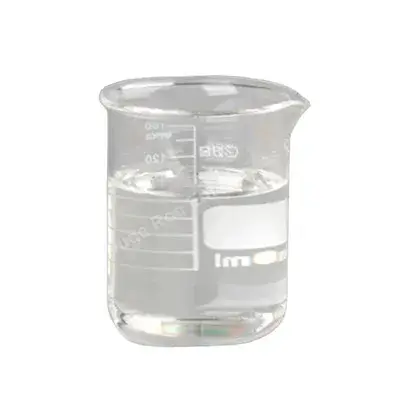
Define the purchase decision
Start the sample comparison plan for Tributyrin by writing the precise decision, requested grade or form, destination market, delivery window and document revision. Separate supplier statements from buyer observations, assign an owner to every open field and date each follow-up so another reviewer can reconstruct the purchasing logic without assumptions.
Create comparable fields
Give each quotation, sample or lot its own row. Keep units, reporting basis, pack configuration, quantity basis, delivery term, quotation validity and file names visible beside the relevant entry. Missing information should remain marked as pending until a specific answer is attached; do not fill gaps by copying a value from another offer or an older order.
Review the document set
Check that product name, grade, sample or batch reference and specification revision agree across the quotation, specification, batch document and label copy. Record wording differences in a discrepancy list. Read analytical figures together with the stated unit, basis and method, and identify whether each figure belongs to a general specification, a named lot or a buyer-run test.
Plan sample handling
Plan receipt before opening any pack or sample. Define who will photograph labels, record seal condition, count packages, capture the visible lot code and preserve the supplier identifier. If the buying team will compare samples, write one consistent preparation and observation procedure first; dated observations apply only to the material actually reviewed.
Reconcile the shipment
At delivery, reconcile the purchase order, packing information, container labels and batch documents line by line. Quantities, pack sizes, lot codes and document references should point to the same shipment. Copy storage and handling wording from the current file, then compare it with the receiving plan and warehouse capability before the handoff.
Record open questions
Keep unresolved differences in a visible status with an owner, question, request date and response location. Commercial fields and technical fields should remain separate, while the decision note names who reviewed each part. Index attachments rather than relying on email subject lines, and retain superseded files with their dates to preserve the sequence of changes.
Close and reuse the file
Close the record only when required questions have named answers and the reason for the purchasing decision is understandable from the file. For a repeat order, reuse the structure rather than the previous conclusions: check the current quotation, specification, batch identity, packaging and destination-market requirements again so the sample comparison plan remains an active control.
Review the current product information and send a focused request for the documents and fields still needed by your team.
Product information · Request a quotation · Technical reference