Calcium Butyrate Powder vs Granules: A Buyer's Handling Checklist
For feed importers and manufacturers, selecting calcium butyrate is a question of matching the grade and physical form to the production process. A purchasing checklist helps separate documented specifications from assumptions about handling or performance.
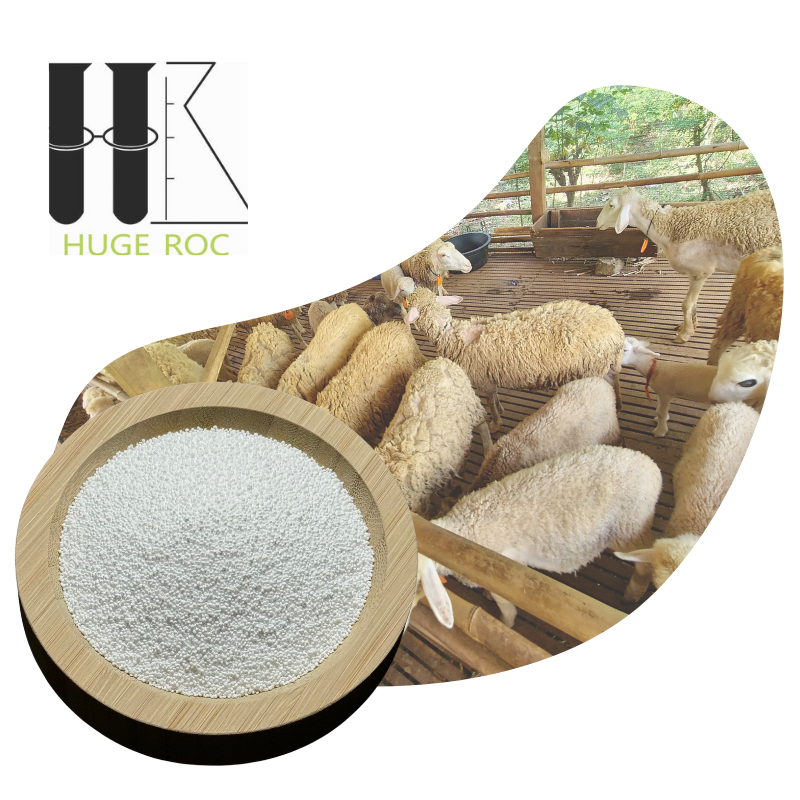
Specify powder or granules for the actual feed process
Calcium butyrate buyers should first define where and how the ingredient will be handled. A powder may be suitable for some blending systems, while granules can be evaluated where dosing, dust management and flow behavior matter. Neither form is universally preferable: equipment, formulation, addition rate and packaging conditions determine which properties deserve testing.
Ask for the actual grade code, particle-size distribution, appearance and packaging details. Compare samples at the same intended inclusion and with the same receiving and mixing procedure. Record visible dust, caking, bridging and dosing consistency rather than relying on a generic statement that all granules are dust-free.
Separate calcium butyrate assay from acid-equivalent content
A quoted calcium butyrate assay and a calculated butyric-acid-equivalent percentage describe different quantities. Before comparing offers, request the exact reporting basis, whether the value is on a dry basis or as received, the analytical method, moisture limit and a representative batch certificate of analysis.
Avoid carrying a theoretical calculation into a commercial specification without identifying the assumptions. If a supplier states a minimum acid-equivalent figure, ask for the underlying assay, calculation basis and applicable lot-release criteria. Confirm that the quotation, TDS, sample label and COA describe the same commercial grade.
Check the receiving and packing details before shipment
Importers should request clear package identification, net weight, batch coding, moisture-protection measures, pallet configuration and storage instructions. Confirm whether the product will be delivered as powder or granules and ask for photographs that represent the exact quoted grade, not an unrelated illustration.
For repeat orders, agree on a retained-sample procedure, incoming inspection steps and a documented response when assay, appearance or handling results differ from the approved reference. Commercial quotations should use the same quantity, packaging and Incoterm basis so that handling and logistics costs can be compared fairly.
Confirm the intended market and evidence boundaries
The regulatory treatment of a feed ingredient can depend on its composition, function, intended species and destination country. A general feed-additive regulation is a starting point for a compliance review, not evidence that every calcium butyrate product or claim is authorized in every market. Buyers should check the applicable local classification and required documents before purchase.
Claims about animal performance, gut health, controlled release or processing stability need evidence specific to the offered formulation and relevant application. Do not infer these outcomes from the words powder, granular or coated. Request the current technical data sheet, representative COA, safety information where applicable and any grade-specific compliance statements.
Tell us the intended feed application, powder or granule preference, required assay basis, quantity, packaging and destination market to request the matching specification, representative COA and quotation.
Product information · Request a quotation · Technical reference